
Programme
Sunday, July 5
Registration
Opening Ceremony
Prof. Susumu Kitagawa
Nobel Laureate, 2025
 Susumu Kitagawa
Prof. Susumu Kitagawa
Nobel Laureate, 2025
Speakers
Kitagawa’s main research field is inorganic and material chemistry, in particular, chemistry of coordination space, and his current research interests are centered on synthesis and properties of porous coordination polymers/metal-organic frameworks.
He was the first to discover and to demonstrate „porosity” for metal complexes with gas sorption experiments (1997), whose materials are called porous coordination polymers (PCPs) or metal-organic frameworks (MOFs). To date, MOFs are classified as a new category of porous materials, as opposed to the conventional classifications of inorganic and carbon materials. Kitagawa pioneered the functional chemistry of MOFs, and discovered flexible MOFs, dissimilar to those of conventional porous materials. Today several hundred different MOFs are known, and over 7,000 articles on this class of materials have been published annually worldwide. The research developments built on his discoveries are anticipated to lead to radical innovations in materials science, with wide-ranging implications for both academia and industry. Chemical industry firms are producing MOF materials for use in purification, storage, and transportation of gases, among other applications. Kitagawa’s achievement has blazed a trail to a new era for porous materials, vital to addressing energy and environmental issues and contributing to human welfare.
Welcome reception
No results for the selected criteria.
Monday, July 6
Controlling Radical Reactivity and Stereochemistry through Excited-State Catalysis
Paolo Melchiorre
 Paolo Melchiorre
Controlling Radical Reactivity and Stereochemistry through Excited-State Catalysis
Paolo Melchiorre
Speakers
Paolo Melchiorre has been Professor of Chemistry at the University of Bologna since 2022. He began his academic career at the University of Bologna and subsequently spent over a decade conducting independent research at the Institute of Chemical Research of Catalonia (ICIQ, Spain), where he led a research group from 2009 to 2022.
His scientific activity focuses on the development of new catalytic strategies for the sustainable synthesis of chiral molecules of pharmaceutical relevance, integrating organocatalysis, photocatalysis, and enzyme engineering to control light-activated radical reactivity
Sponsor Session - WITKO
Lights, Carbs, Automation!
Eoghan McGarrigle
 Eoghan McGarrigle
Lights, Carbs, Automation!
Eoghan McGarrigle
Speakers
Eoghan McGarrigle studied chemistry at University College Dublin (Ireland), obtaining his PhD with Prof. Declan Gilheany in the area of M(salen) mediated asymmetric epoxidation. This was followed by postdoctoral research developing a method for the synthesis of P-stereogenic phosphorus compounds which was commercialized. In 2005, he moved to the University of Bristol as the Research Officer in the group of Varinder Aggarwal, focusing on the development of organosulfur catalysts and reagents in organic synthesis. In 2009, he was appointed as the course manager of the Bristol Chemical Synthesis Doctoral Training Centre. In 2012, he rejoined University College Dublin, as an independent research group leader under the Starting Investigators Research Grant scheme funded by Science Foundation Ireland/Marie-Curie CoFund. He was appointed subsequently as a Lecturer in Organic Chemistry at UCD in 2016 and promoted to Assoc. Professor in 2024. He was elected as a Fellow of the Institute of Chemistry of Ireland in 2015. The McGarrigle group interests include organocatalysis, carbohydrate chemistry, organosulfur and organophosphorus chemistry, photochemistry and automation.
Enantioselective Desymmetrization Reactions
Carlos Vila
 Carlos Vila
Enantioselective Desymmetrization Reactions
Carlos Vila
Speakers
Dr. Carlos Vila is an Associate Professor in the Department of Organic Chemistry at the Faculty of Chemistry, University of Valencia (Spain). He obtained his Chemistry degree in 2005 (Extraordinary Award, Best Academic Record, and National Award from the Spanish Ministry of Education) and his PhD in 2010 (Excellent cum laude) from the University of Valencia.
He has carried out extensive international research training through research stays at the University of Leiden (Netherlands), Aarhus University (Denmark), RWTH Aachen University (Germany), and the University of Groningen (Netherlands), where he worked with Prof. Ben L. Feringa (Nobel Prize in Chemistry 2016). After returning to the University of Valencia as a Juan de la Cierva fellow, he was awarded a Ramón y Cajal (12 awarded in Chemistry in 2017) fellowship in 2017 and promoted to Associate Professor in 2023.
Dr. Vila’s research focuses on sustainable organic synthesis, including heterocyclic chemistry, asymmetric catalysis, organocatalysis, visible-light photocatalysis, palladium-catalyzed cross-coupling with organolithium reagents, and allylic alcohol activation. He has published over 100 articles in international peer-reviewed journals, with more than 4,300 citations (h-index 38), and has contributed extensively to conferences, book chapters, and competitive research projects. He is also actively involved in scientific evaluation and peer review and currently serves as Director of the Master’s Degree in Organic Chemistry at the University of Valencia.
Coffee break
Preparation of antiproliferative condensed heterocycles using domino cyclization reactions
Sándor Balázs Király
Catalytic Asymmetric Synthesis of Lignans via Iridium-Catalyzed Desymmetrization of meso-Dialdehydes
Takeyuki Suzuki
Sustainable C-H activation reactions for the synthesis of potential bioactive heterocycles
Maria-João R. P. Queiroz
Molecular Engineering of Stable π-Extended Radicals for Electronic and Magnetic Applications
Paulina Bartos
Fluorinated nitrile imines in pyrazole synthesis: A decade of progress
Marcin Jasiński
Cross-Dehydrogenative Coupling Macrocyclization for the Synthesis of a Donor-Acceptor Nanohoop
Baitan Chakraborty
Synthesis of Terminal Olefins via Ethenolysis of Seed Oils: A Sustainable Approach Assisted by Machine Learning
Juan Pablo Martínez
ASYMMETRIC SYNTHESIS OF STEREOGENIC-AT-SULFUR COMPOUNDS VIA BIOCATALYTIC OXIDATION WITH UNSPECIFIC PEROXYGENASES
Jiacheng Li
Expanding N-Heterocyclic Carbene Catalysis: Dearomatization, Higher-Order Cycloadditions, and Light-Driven Transformations
Anna Skrzyńska
alfa-Amination of BODIPY Dye via Cu (II) catalysed C-H Activation: One Step Solution for Drug/Bio-Molecule/Ligand Attachment
Richa Agrawal
Dual Co/Photoredox‐Catalyzed Regio‐ and Stereoselective Synthesis of Highly Functional 1,3‐Dienes
Alejandro Delgado
Direct Electrosynthesis for Efficient C–C and C–Heteroatom Bond Formation toward Hetero-Polycyclic Aromatic Hydrocarbons
Francisco Garnes-Portolés
Nature as a Synthetic Mentor: Biomimetic Total Synthesis of Prunolactones and Its Challenges
Ekaterina Frantsuzova
First organocatalytic, diastereoselective synthesis of tRNA wobble nucleosides: (R)- and (S)-methoxycarbonylhydroxymethyluridines (mchm5Us) and their acid analogues (chm5Us)
Tomasz Bartosik
Stimuli-Responsive PSMA Targeting Ligand-Functionalized Electrospun Nanofibers for Site-specific Doxorubicin Delivery in Prostate Cancer Therapy
Pramodh Rao N
Flash x3
Flash x3
Flash x3
Lunch break
Photochemical-Driven Natural Product Synthesis
David A. Nicewicz
 David A. Nicewicz
Photochemical-Driven Natural Product Synthesis
David A. Nicewicz
Speakers
Nicewicz completed his Bachelor’s and Master’s degrees in Chemistry at the University of North Carolina at Charlotte with Professor Craig Ogle. He then moved to the University of North Carolina at Chapel Hill where he completed his Ph.D. in 2006 with Professor Jeffrey S. Johnson. His graduate research focused on novel Brook Rearrangement transformations and he completed the total synthesis of Zaragozic Acid C. Following his graduate education, he joined David MacMillan’s lab as a postdoc. During this time, he pioneered the use of ruthenium photoredox catalysis in combination with chiral amine organocatalysis to develop a general method for enantioselective aldehyde alkylation and more importantly, establishing photoredox catalysis as an emerging tool in organic synthesis.
In 2009, Nicewicz returned to the UNC Chapel Hill as an Assistant Professor. He was promoted to Associate Professor in 2015, full Professor in 2018 and was named the first Royce Murray Term Professor of Chemistry at UNC Chapel Hill in 2020. He is now the W.R. Kenan, Jr. Distinguished Professor since 2024. His research interests focus on organic photoredox catalysis and their application in radioisotope labelling and natural product synthesis.
Nicewicz has also earned several awards throughout his career including the ACS Cope Scholar Award (2022), The Hirata Award (Nagoya University, 2017), Camille Dreyfus Teacher-Scholar Award and the Eli Lilly Grantee Award (2015).
Dual Co/Photo Catalysis for Stereoselective Small Molecule Synthesis
Arjan W. Kleij
 Arjan W. Kleij
Dual Co/Photo Catalysis for Stereoselective Small Molecule Synthesis
Arjan W. Kleij
Speakers
Arjan W. Kleij obtained his PhD from the Debye Institute of the University of Utrecht (NL) in 2000 with Gerard van Koten as advisor. He then had PD positions at the UAM in Madrid with Javier de Mendoza, and at the UVA in Amsterdam with Joost Reek. In 2006, he started his independent career at ICIQ (Tarragona, Spain), where he was promoted to ICREA professor in 2011. His interests are, inter alia, in the area of stereoselective synthesis using metal catalysis and the development of sustainable methods for the catalytic valorization of biocarbon sources such as carbon dioxide. Among various recognitions, he was awarded the 2025 GEQO Rafael Usón medal.
Free time
Concert
No results for the selected criteria.
Tuesday, July 7
Microelectronics Meet Chemistry – From Wireless Electrochemistry to Reaction Telemetry
Song Lin
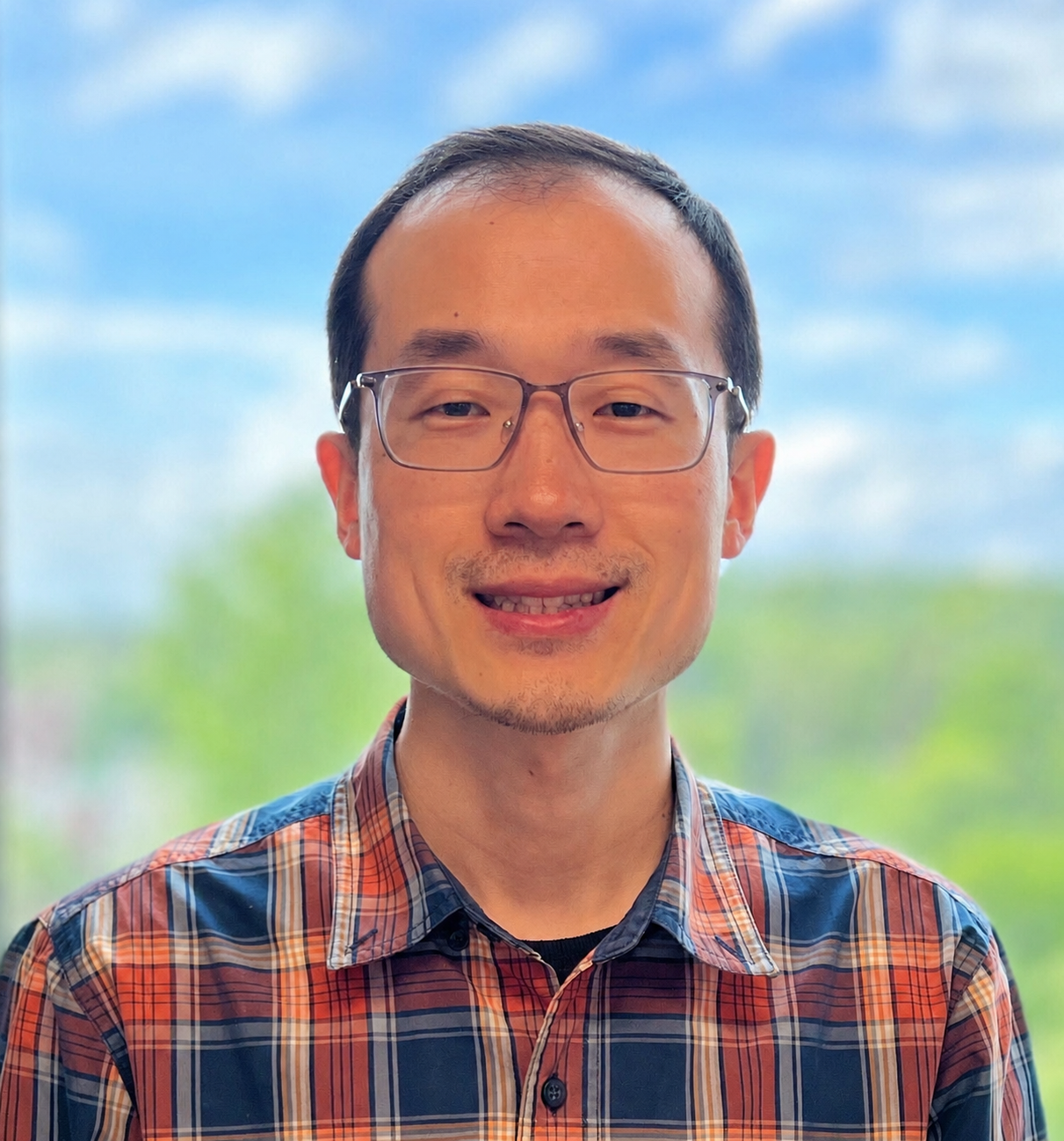 Song Lin
Microelectronics Meet Chemistry – From Wireless Electrochemistry to Reaction Telemetry
Song Lin
Speakers
Song Lin grew up in Tianjin, China. After obtaining B.S. from Peking University in 2008, Song embarked on his graduate studies at Harvard University working with Eric Jacobsen. He then carried out postdoctoral studies with Chris Chang at UC Berkeley. In 2016, Song started his independent career at Cornell University and was promoted to Associate Professor in 2021 and Tisch University Professor in 2023. In 2026, he joined Stanford University as a Professor of Chemistry.
Song has received several early career awards, including the Sloan Fellowship, ACS Cope Scholar, National Fresenius Award, Tetrahedron Young Investigator Award, Cottrell Scholar Award, Camille Dreyfus Teacher-Scholar Award, NSF CAREER Award, MIT Technology Review Innovators Under 35, BMS Unrestricted Grant, Lilly Research Award, and EPA Green Chemistry Challenge. He is also a recipient of the Nobel Laureate Signature Award for Graduate Education in Chemistry and Stephen and Margery Russell Distinguished Teaching Award. He is currently a Senior Editor at Accounts of Chemical Research and serves on the Editorial Advisory Board of Chem, Synlett, Tetrahedron, and Tetrahedron Letters as well as the Scientific Advisory Board of OWiC Technologies.
The Lin Laboratory’s research lies at the interface of organic chemistry, electrochemistry, and microelectronics technology, with the main objective of developing methodological and technological solutions to longstanding challenges in chemical synthesis.
Chemical and Optical Control of mRNA Translationmines in pyrazole synthesis: A decade of progress
Andrea Rentmeister
 Andrea Rentmeister
Chemical and Optical Control of mRNA Translationmines in pyrazole synthesis: A decade of progress
Andrea Rentmeister
Speakers
Andrea Rentmeister studied Chemistry at the Technical University of Graz and the University of Bonn, where she earned her PhD in 2007 under the supervision of Prof. Michael Famulok. After a postdoctoral stay at the California Institute of Technology with Prof. Frances H. Arnold, she started her independent career as a Junior Professor at the University of Hamburg in 2010. In 2013, Andrea was appointed as Associate Professor at the Westfälische Wilhelms-Universität Münster, and in 2020 promoted to Full Professor. Since 2024, she is Chair of Organic and Biological Chemistry at the Ludwig-Maximilians-Universität in Munich. She was awarded an Emmy Noether Fellowship (2012), the Hoechst-Award of the Aventis Foundation (2015), an ERC Consolidator Grant (2018) and an ERC Proof-of-Concept Grant (2022), and the Wittig-Grignard Award (2024). She is a fellow of the Royal Society of Chemistry and a corresponding member abroad of the Austrian Academy of Sciences. Research in her lab focuses on RNA at the interface of chemistry and biochemistry and aims to understand and ultimately control the processes affecting mRNA expression and turnover.
Syntheses of Diversely Substituted Fluoro-Benzodiazepines and other Heterocycles using Carbonyl-Alkyne Bifunctional Reagents
Roman Dembinski
Coffee break
Cutting edge or cutting corners with amino-quinine?
Przemysław J. Boratyński
Challenging Asymmetric Organocatalytic Reactions under High- Pressure
Piotr Kwiatkowski
Witczak
Simplifying biosynthesis: how to access the natural complexity of sesquiterpenoids following easy steps
Alexandros L. Zografos
Discovery of covalent inhibitors of NSD3 with anti-cancer activity
Tomasz Cierpicki
Hauser
One-Pot biocatalytic oxidation/Michael addition: a green strategy for the synthesis of bioactive compounds
Nunzio Cardullo
Polymeric Donor-Acceptor Complex-Catalysis
Harry Lecomte
Amos
A Cyclic Dienamine as a Common Platform to Access Medicinally Relevant N-Heterocyclic Scaffolds
Nikita Kanwar
Metal-Free Visible-Light-Induced Cascade Arylation/Aza- Semipinacol Rearrangement Of β,γ-Unsaturated δ-Lactams
Tomasz J. Idzik
Woźniak
Total Synthesis of Fungal-derived Decanolides and Synthetic Studies Towards Tricrilactones
Tashia W. Siew
Rational Design, Synthesis, and Biological Evaluation of New Schiff Base Derivatives as Antimicrobial Agents
Abrar Hussain
Frąckowiak
Flash x3
Flash x3
Flash x3
Flash x3
Lunch break
The Role of Medicinal Chemistry in the Search for New Therapeutic Agents: Natural Products vs Peptides
Margaret A Brimble
 Dame Margaret Brimble, FRS
The Role of Medicinal Chemistry in the Search for New Therapeutic Agents: Natural Products vs Peptides
Margaret A Brimble
Speakers
Dame Margaret is a Distinguished Professor and Director of Medicinal Chemistry at the University of Auckland, New Zealand. She is an Executive Editor for Organic Letters, Past-President of IUPAC Organic and Biomolecular Division III and Past-President of the International Society of Heterocyclic Chemistry. She has published >700 papers and inventor on >50 patents. She is a Fellow Royal Society London, Dame Companion New Zealand Order of Merit and inducted into the ACS Medicinal Chemistry Hall of Fame. She was awarded the 2023 Davy Medal ( Royal Society London), Rutherford, Hector and MacDiarmid medals (Royal Society NZ), 2022 RSC Pedler Award for Organic Chemistry and 2023 ACS Ernest Guenther award for Natural Products Chemistry. She was named 2007 L’Oreal-UNESCO Women in Science laureate in Materials Science for Asia-Pacific and a 2015 IUPAC Distinguished Women in Chemistry.
Margaret’s research focusses on the synthesis of novel bioactive natural products, and peptides, antibody-drug conjugates, peptide vaccines and new biomaterials. Her lab carried out the medicinal chemistry for the FDA approved-drug Trofinetide/ DaybueTM (NNZ2566) to treat Rett Syndrome (http://www.neurenpharma.com; https://acadia.com). Her team also carried out the medicinal chemistry that led to the discovery of the drug candidate Ercanetide (NNZ2591) currently in phase 2/3 clinical trials for four neurogenetic disorders: Angelman syndrome, Pitt Hopkins syndrome, Phelan-McDermid syndrome and Prader-Willi syndrome.
Poster session
Guided City Tour
No results for the selected criteria.
Wednesday, July 8
How to control cycloadditions, annulations and nucleophilic aromatic substitutions reactions
Karl Anker Jørgensen
 Karl Anker Jørgensen
How to control cycloadditions, annulations and nucleophilic aromatic substitutions reactions
Karl Anker Jørgensen
Speakers
Karl Anker Jørgensen has over the years contributed to the development and understanding of novel reaction concepts asymmetric catalysis. During the 1990’ties his focus was on the application of mainly chiral Lewis acid complexes as catalysts for a variety of classical organic reactions such 1,3-dipolar cycloadditions and hetero-Diels-Alder reactions.
In the early 2000’ties Karl Anker Jørgensen changes research field to organocatalysis, with the focus applying small organic molecules to catalyze organic reactions. In this field he has been one of the main drivers in the development of a number of, not only new reactions, but also reaction concepts for the synthesis of complex molecular architectures. These developments are based on a very fruitful integration of advanced physical chemistry and computational investigations in reaction design.
These developments by his research group have found great impact, not only in academia, but also in the life-science industry for the formation of active pharmaceutical ingredients (APIs). The industrial application of the efficient organocatalysts developed is the use in large-scale (up to tons scale) synthesis of APIs, which more recently have been shown to be of importance for the formation of APIs under more sustainable conditions.
Sustainable Catalysis: Merging Photochemistry, Flow Chemistry, and Electrochemistry
José Alemán
 José Alemán
Sustainable Catalysis: Merging Photochemistry, Flow Chemistry, and Electrochemistry
José Alemán
Speakers
José Alemán defended his Doctoral Thesis in 2006 in the field of asymmetric synthesis under the supervision of Prof. García Ruano. After completing a postdoctoral stay with Prof. Jørgensen (2006-2008) in the field of organocatalysis, he joined the Department of Organic Chemistry at UAM as a Ramón y Cajal researcher and was later promoted to Associate Professor and Full Professor in 2023. He has been awarded various research prizes, such as the Lilly Prize for the best doctoral student (2005), the award for the best Doctoral Thesis at UAM (2006), the Sigma-Aldrich Award for Young Researchers of the RSEQ (2013), the Lilly Young Researcher Award (2015), the José Barluenga-RSEQ Medal (2022) and Ignacio Rivas Medal-RSEQ (2025). His research focuses mainly on asymmetric catalysis and catalytic materials, and he is the author of 240 scientific publications. He has supervised 26 Doctoral Theses, more than 40 Bachelors and Masters theses, and has secured 18 projects in various competitive calls. Since 2021, he has been Director of the Advanced Institute of Chemical Sciences at the Autonomous University of Madrid; in 2022, he was appointed Deputy Director of the Department of Organic Chemistry; since 2024, he has served as Vice President of the Organic Chemistry Division of the Royal Spanish Chemical Society; and since 2025, he has been a corresponding member of the Spanish Royal Academy of Exact, Physical and Natural Sciences.
Webpage: www.uam.es/jose.aleman
Evolutionary Selection of Selenium for tRNA Wobble Modifications
Barbara Nawrot
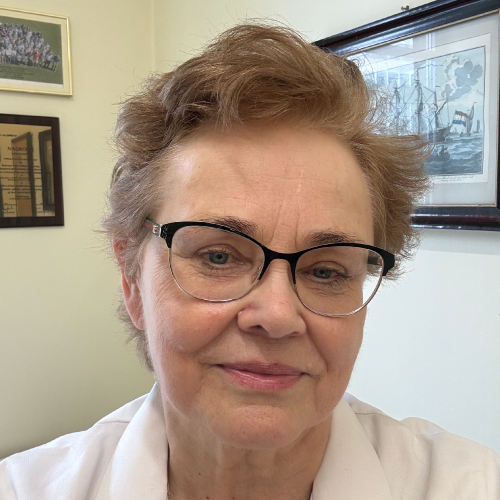 Barbara Nawrot
Evolutionary Selection of Selenium for tRNA Wobble Modifications
Barbara Nawrot
Speakers
Education and Training
PhD in Chemical Sciences, Technical University of Lodz, Poland (1983).
Postdoctoral Fellow, Memorial Sloan Kettering Cancer Center, New York, USA (1985–1986; anticancer and antiviral nucleosides). Visiting researcher, University of Bayreuth, Germany (1994–1996; tRNA biochemistry, structure, and function in protein translation). JSPS Internship, Gene Discovery Research Center, Tsukuba, Japan (2000; therapeutic nucleic acids).
Habilitation, CBMM PAS (1999).
Key Achievements and Leadership
Established research on sulfur- and selenium-modified uridines in tRNA anticodons, advancing epitranscriptomics and tRNA modifications for oxidative stress and cancer biology. Led development of therapeutic nucleic acids, including modified catalytic RNAs, siRNAs, aptamers, and boron cluster conjugates for chemoradiotherapy in cancer. Coordinated 2 national consortia on nucleic acid therapeutics (2002–2005, 2007–2010) and 22 funded projects (EU, ICGEB, NCN, NCBiR). Currently directing industry-academia R&D project on therapeutic RNAs for cancer treatment. Supervised 12 PhD students and multiple Masters students; built international teams in RNA modification chemistry.
Editorial and Advisory Roles
Editorial Board: New Journal of Chemistry (RSC, 2006–2011); Nucleic Acid Therapeutics (2009–present). Review Committee, Human Frontier Science Program (HFSP, 2012–2016), FWO (2019-2025)
Expert Evaluator: EU projects (since 2002); IUPAC Sub-Committee on Biotechnology (2008–2020), IUBMB representative (since 2024).
Publication and Patent Impact
180+ peer-reviewed publications in top journals on tRNA epitranscriptomics, nucleoside modifications, and RNA therapeutics. 19 granted patents (3 US, 4 European, 12 Polish) for innovative nucleoside analogs and RNA conjugates. >50 invited lectures.
Coffee break
Organosilicon-Based Building Blocks for the Synthesis of Conjugated Molecules
Adrian Franczyk
Site-Selective Modifications of Amphiphilic Diols
Moshe Portnoy
Using modular catalyst design to explore bimetallic catalysis
Benjamin N. Bhawal
Highly Stereoselective Trifluoromethylation of Levoglucosenone and its exo-Methylidene Analogues Using the Ruppert-Prakash Reagent
Grzegorz Mlostoń
Sumanene-based cation receptors
Artur Kasprzak
Carboranes as activity modulators of anticancer and antibacterial compounds.
Agnieszka B. Olejniczak
Cyclic triel carbenoids and their ruthenium complexes: DFT studies on their potential as olefin metathesis catalysts
Tymoteusz Basak
Mechanochemical radical di/trifluoromethylation with hypervalent iodine reagents
Vitalii Solomin
Janczewski
Metal–Arene π-Complexation-Guided Site-Selective C–H Borylation of Polyarenes
Anup Mandal
Photoinduced Deracemization enabled by Hydrogen Atom Relay via Non-covalent Catalyst Assembly
Navadheer Yalamanchili
Anomeric Amides Beyond Nitrogen Deletion – Fragmentation of Isoxazolones to Alkynes
Michał Ociepa
Biomimetic Synthesis Towards (±)-Hypeisoxazole A Under Biogenic Conditions
Yihan Yu
Macrocyclic 7.6.6 Defect as a Constraint Controlling Open-Shell and Chiroptical Properties of Helicene Analogues
Krzysztof Dzieszkowski
Aminal-linked Covalent Organic Frameworks for Light Energy Upconversion
Jakub Ostapko
Flash x3
Flash x3
Flash x3
Lunch break
C–H Activation: From Late-Stage Functionalization to Metallaelectro-Catalysis
Lutz Ackermann
 Lutz Ackermann
C–H Activation: From Late-Stage Functionalization to Metallaelectro-Catalysis
Lutz Ackermann
Speakers
Prof. Dr. Lutz Ackermann has studied Chemistry at the University Kiel (Germany) and performed his PhD with Prof. Alois Fürstner at the Max-Planck-Institut für Kohlenforschung (Mülheim/Ruhr, 2001). After a postdoctoral stay at UC Berkeley with Prof. Robert G. Bergman, he initiated his independent research career in 2003 at the Ludwig Maximilians-University München. In 2007, he became a Full Professor (W3) at the Georg-August-University Göttingen. He inter alia received an AstraZeneca Excellence in Chemistry Award (2011), an ERC Consolidator Grant (2012), a Gottfried-Wilhelm-Leibniz-Preis (2017), an ERC Advanced Grant (2021), an ERC Proof of Concept Grant (2025), and the Hansen Family Award from the Bayer Foundation (2025).
The development and application of novel concepts for sustainable catalysis constitute his major current research interests, with a topical focus on electrocatalysis and bond activation.
Development of Menin inhibitors for leukemia therapy: From discovery to FDA approval
Jolanta Grembecka
 Jolanta Grembecka
Development of Menin inhibitors for leukemia therapy: From discovery to FDA approval
Jolanta Grembecka
Speakers
Jolanta Grembecka received her PhD in chemistry at Wroclaw University of Technology (Poland) and then completed her postdoctoral training at the University of Virginia. She joined the University of Michigan as an Assistant Professor in 2009, progressed through the academic ranks to Professor with tenure in 2022, and was named the Richard and Susan Rogel Professor in Cancer Therapeutics. Her research focuses on the development of novel small-molecule based therapies for cancer, with an emphasis on acute leukemia. Her laboratory, in collaboration with Dr. Tomasz Cierpicki, pioneered the development of small molecule inhibitors targeting the menin-MLL1 interaction as a novel treatment for leukemia. These efforts led to the development of Ziftomenib (co-developed with Kura Oncology), which received FDA approval for acute myeloid leukemia in 2025. Her laboratory applies interdisciplinary approaches, including medicinal chemistry, biochemistry, structural biology and biological studies, to develop and evaluate new experimental therapeutics targeting epigenetic proteins (e.g. histone methyltransferases: ASH1L1, NSD1/3) and protein-protein interactions with the overarching goal of discovering new treatments for leukemias with unmet medical need.
Conference Gala Dinner
No results for the selected criteria.
Thursday, July 9
Chiral Indole Chemistry and Beyond
Feng Shi
 Feng Shi
Chiral Indole Chemistry and Beyond
Feng Shi
Speakers
1,4-Dihydropyrrolo[3,2-b]pyrrole and Dipyrrolonaphthyridinedione – Novel Building Blocks for Optoelectronics
Daniel T. Gryko
 Daniel T. Gryko
1,4-Dihydropyrrolo[3,2-b]pyrrole and Dipyrrolonaphthyridinedione – Novel Building Blocks for Optoelectronics
Daniel T. Gryko
Speakers
Daniel T. Gryko obtained his PhD from the Institute of Organic Chemistry of the Polish Academy of Sciences in 1997, under the supervision of Prof. J. Jurczak. After a post-doctoral stay with Prof. J. Lindsey at North Carolina State University (1998–2000), he started his independent career in Poland. He became Full Professor in 2008. The same year he received the Society of Porphyrins and Phthalocyanines Young Investigator Award and in 2017 Foundation for Polish Science Award. His current research interests are focused on the synthesis of various functional dyes as well as on two-photon absorption, solvatofluorochromism, excited-state intramolecular proton transfer and fluorescence probes.
Coffe break
Radical-Type Arylations with Aryl Boronic Acids Mediated by Light or Electricity
Bartłomiej Sadowski
Visible-Light-Initiated Decarboxylative Radical Addition to Electronically Mismatched Alkenes and Alkynes
Sebastian Baś
Targeted Protein Degradation to Perturb Prenylation: Lessons from GGTase-II Directed Leads
Katarzyna M. Błażewska
Synthesis of Optically Active Spirocycles and Other Tricks
Jens Christoffers
Radical-Radical Coupling with Localized and Delocalized Nitrogen Radicals
Qiang Cheng
Tunable Azo-Linked Porous Organic Polymers for Efficient CO₂ Capture and (Photo)Catalytic Fixation
Barbara Panić
Harnessing LMCT in Fe-Photocatalyzed Alkene Chlorooxygenation: A Platform for Orthogonally Activatable Building Blocks
Amrita Chaudhuri
Switchable Halogen Dance of Bromoazolylmagnesium
Hayato Nishimoto
Development of a versatile [*O2] cyclopentenediol synthon for the syntheses of *O-labeled oxylipins via the oxidation of subtitled cylcopentadiene
Gabriel Coulombe
peri-Naphthylenes: Configurationally-Stable Truncated Higher Helicenes
Zhengxing Zhao
Flash x3
Flash x3
Flash x3
Lunch break
NMR in Photo- and Organocatalysis – Pushing The Limits
Ruth M. Gschwind
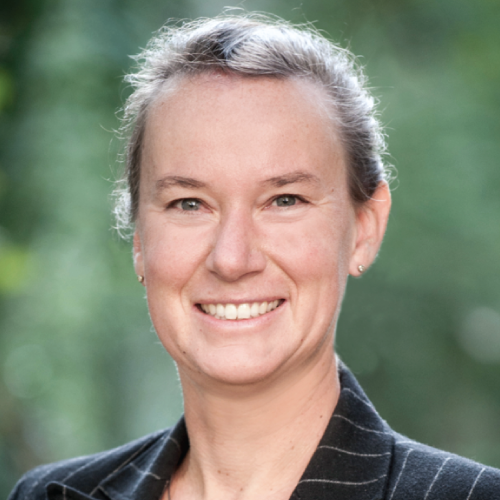 Ruth M. Gschwind
NMR in Photo- and Organocatalysis – Pushing The Limits
Ruth M. Gschwind
Speakers
Group Transfer Radical Polymerization (GTRP)
Chen ZHU
 Chen Zhu
Group Transfer Radical Polymerization (GTRP)
Chen ZHU
Speakers
Chen Zhu earned his Bachelor of Science degree from Xiamen University in 2003 and completed his Ph.D. at the Shanghai Institute of Organic Chemistry in 2008 under the guidance of Professor Guo-Qiang Lin. Following his doctoral studies, he conducted postdoctoral research with Professor Takahiko Akiyama at Gakushuin University and subsequently worked as a postdoctoral fellow with Professors John R. Falck and Chuo Chen at the University of Texas Southwestern Medical Center. In 2013, he was appointed as a full professor at Soochow University, where he also served as head of the Organic Chemistry Department. He relocated to Shanghai Jiao Tong University as a full professor in 2022. To date, he has authored more than 160 scientific publications and achieved an H-index exceeding 60. His current research focuses on radical-mediated functional-group migration reactions and their applications in the synthesis of functional small molecules and polymers.
Poster session
No results for the selected criteria.
Friday, July 10
Simplifying Synthesis with Radical Cross-Coupling
Phil S. Baran
 Phil S. Baran
Simplifying Synthesis with Radical Cross-Coupling
Phil S. Baran
Speakers
Functional Aromatics via Naphthalimide Fusion: From Donor-Acceptor Oligopyrroles to Organic Pourbaix Spaces
Marcin Stępień
 Marcin Stępień
Functional Aromatics via Naphthalimide Fusion: From Donor-Acceptor Oligopyrroles to Organic Pourbaix Spaces
Marcin Stępień
Speakers
Marcin Stępień (PhD 2003, habilitation 2010, titular professorship 2017) works at the Faculty of Chemistry, University of Wrocław (UWr), Poland. His team studies the synthesis, properties, and theory of π-conjugated systems, including nanographene analogues, curved aromatics, and open-shell organics, with a focus on aromaticity-driven functions. In 2023, his contributions to the field were recognized with the Foundation for Polish Science Prize.
New chemical probes provide insights into the biology of protein lipid modification
Mark D. Distefano
Closing ceremony and awards presentation
No results for the selected criteria.
tbd
Janczewski
No results for the selected criteria.
No results found.